


Build the experience your patients deserve
Better experiences don’t happen by accident
The moments between visits are often out of view, but they play a significant role in shaping the patient experience.
Each interaction offers an opportunity to understand what a patient needs, identify where additional support may be needed, and help care teams determine what to do next.
Confidence for patients and families
Proactive check-ins give patients and families the opportunity to raise concerns, ask questions, and get support when they need it.
Earlier visibility into changing needs
Patient responses help surface emerging concerns and changes in condition, giving care teams more opportunity to identify when follow-up may be needed.
More intentional use of clinical resources
Turn identified needs into timely support, address routine needs proactively, and help clinicians focus their expertise where it matters most.
Engagement designed around the care you provide
Home health and hospice serve patients with different needs, goals, and expectations. Our programs were developed to reflect those differences.
Support better outcomes and fewer avoidable setbacks
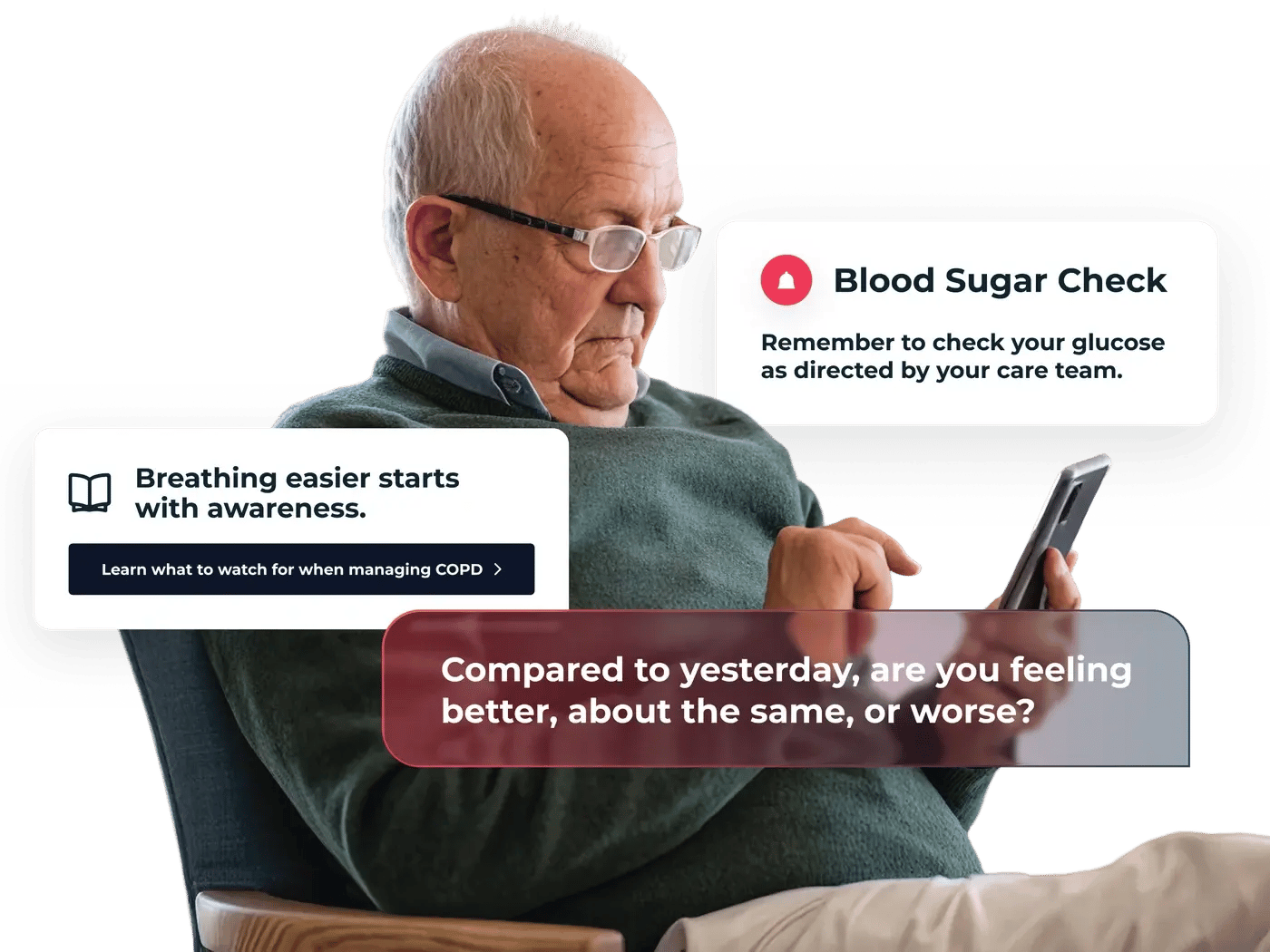
Patients transitioning home from a hospital or managing a new diagnosis may be navigating unfamiliar medications, changing symptoms, and the uncertainty of recovering outside a clinical setting. The right outreach helps you close that gap between visits.
High Risk & Hospitalization Prevention
Proactive outreach to patients with elevated risk of hospitalization, helping identify changes in condition and unmet needs so care teams can assess when intervention is needed.
Disease Management
Condition-specific check-ins that support adherence, reinforce care plans, provide education, and help surface changes before they become more difficult to manage.
Post-Discharge Recapture
Stay connected after discharge to monitor transition, identify new needs, support continuity of care, and help protect your relationship with the patient.
Patient Experience
Proactively gather feedback and give patients and families a clear path to voice concerns and receive timely follow-up when their experience falls short.
Support compassion, comfort, and communication
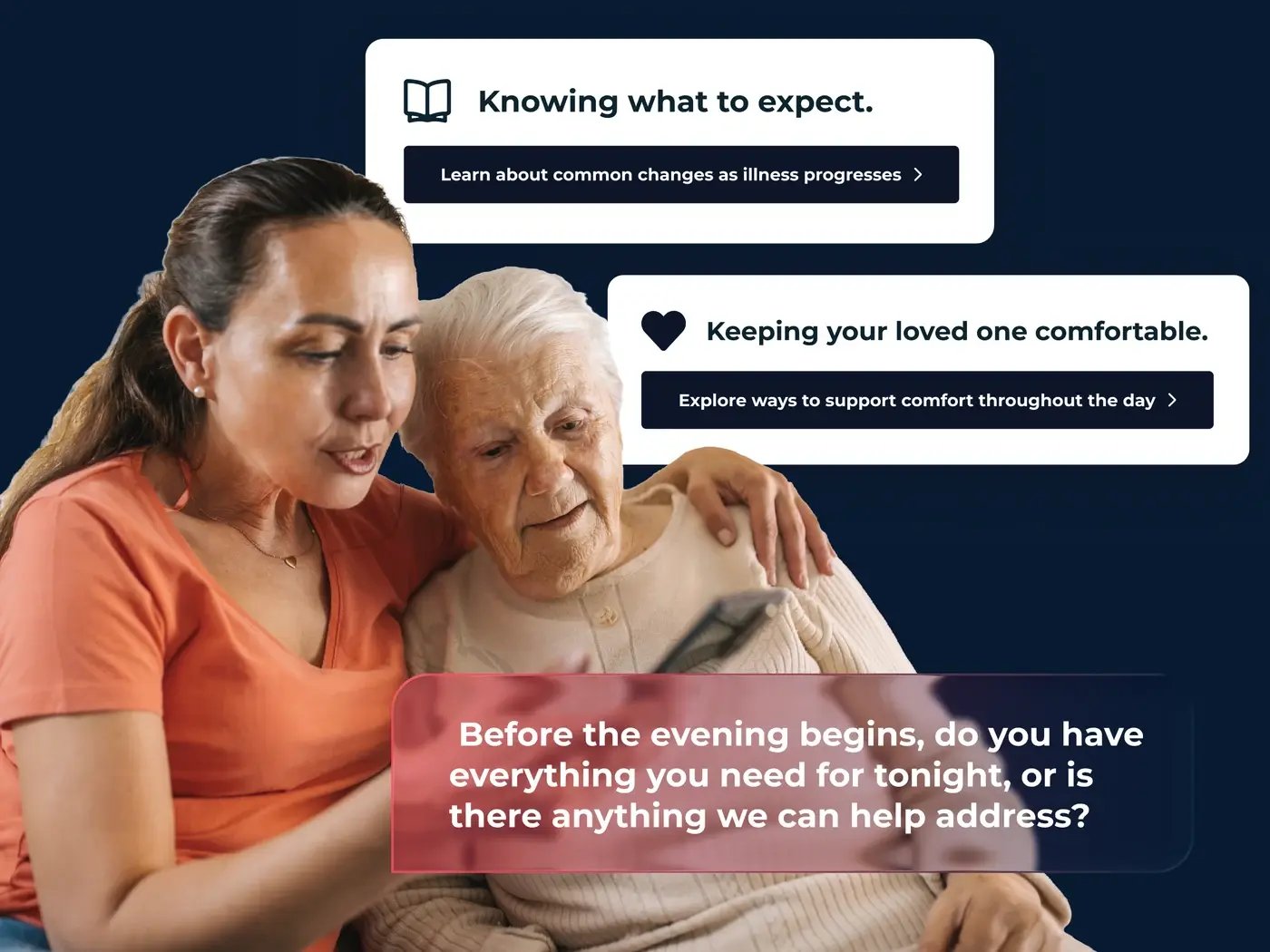
Give patients and caregivers reassurance, timely support, and confidence that help is always available as needs change. Purposeful engagement helps you prioritize comfort, provide timely emotional and spiritual support, and care for the whole family.
Patient Tuck-In
Proactively check in on patients to identify unmet needs, anticipate upcoming requirements, and address concerns as they develop.
Patient & Caregiver Experience
Deliver touch points that help families understand the prognosis, care options, and active dying signs.
Caregiver Bereavement
Provide thoughtful, timely, and frequent grief support that maintains meaningful connection with families after a loss.
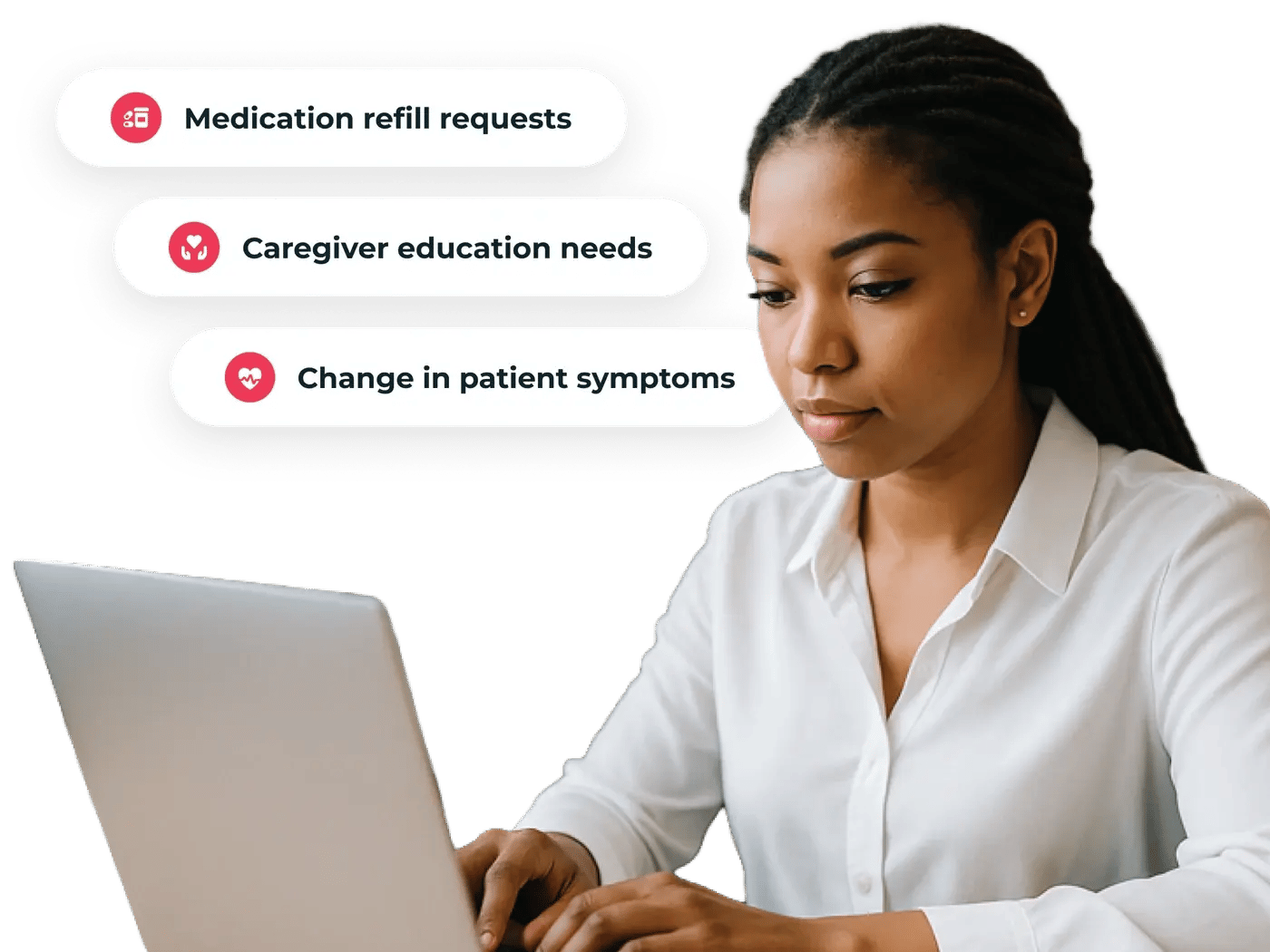
Turn triage insights into more informed action
Triage interactions provide insight to recurring concerns and patterns across patient populations. When you use this data to inform patient cohorts and engagement priorities, you take a more targeted approach to outreach.
What patients experience affects how your organization performs
Patient engagement is an opportunity to influence how care is experienced, how resources are used, and how effectively you respond to patient needs.
Improve patient satisfaction
Responsive, supportive care strengthens patient satisfaction and quality measures.
Reduce avoidable hospitalization
Identify emerging needs early and intervene before issues escalate.
Preserve clinician capacity
Resolving routine needs early keeps clinicians focused on complex care.
Support financial performance
Early intervention helps reduce avoidable utilization and resources.
Strengthen referral relationships
Consistent experiences for patients and caregivers build trust with referral partners.
Improve continuity of care
Between-visit engagement helps identify concerns before care gaps widen.
Everything you need to know before partnering with CareXM
Patient engagement looks different across care settings and patient populations. Learn how CareXM helps you take a more intentional approach and make the most of every interaction.
The right programs depend on your patient population, care model, operational priorities, and the needs you want to address.
Home health organizations may prioritize hospitalization prevention, disease management, or post-discharge support, while hospice organizations may focus on patient and caregiver needs, proactive check-ins, and bereavement support.
Triage calls and engagement responses can reveal recurring concerns, changing patient needs, and patterns across patient populations.
Organizations can use these insights to identify cohorts that may benefit from additional outreach, tailor programs to their needs, and determine where follow-up may be appropriate.
Patient engagement can complement the work care teams already do by creating planned opportunities to identify needs, follow up on concerns, and address routine issues. When an interaction surfaces a clinical concern, the organization can determine the appropriate next step based on its established processes.
Organizations can track program activity, patient responses, needs identified, and follow-up completed, then evaluate how those measures relate to relevant operational and quality goals. This helps organizations understand not only whether outreach is happening, but whether it is informing action and contributing to the outcomes they want to improve.
Proactive outreach can help organizations identify emerging needs, reinforce care plans, and create opportunities for earlier intervention. These activities support efforts to reduce avoidable utilization and improve quality performance, although results depend on program design, patient population, and the actions taken in response to identified needs.
Build an engagement strategy that works
Request a demo to learn how these programs can help you provide a better experience for patients and caregivers.