






After-hours care in home health, hospice, and nearly every other healthcare field is always challenging. Plus, rising costs, tighter reimbursements, staffing shortages, and the steady shift to value-based care have only intensified these challenges. As healthcare providers grapple with these pressures, the question emerges: What can be done to relieve the strain and reduce the cost of after-hours workloads? Thankfully, effective strategies like redistributing after-hours triage workloads present a promising solution to optimize resources, improve patient outcomes, and enhance overall efficiency.
What is After-Hours Triage Work?
Answering after-hours phone calls on top of other on-call and patient care responsibilities can be extremely stressful for nurses. Often, home care nurses face a care dilemma when taking incoming patient calls: Do they choose not to take the call and risk not helping someone in need, or do they choose to take the call and make the patient in front of them feel like they aren’t the priority? Many situations like this continue in the home health and hospice space, leaving nurses emotionally distressed and quality care open to compromises.
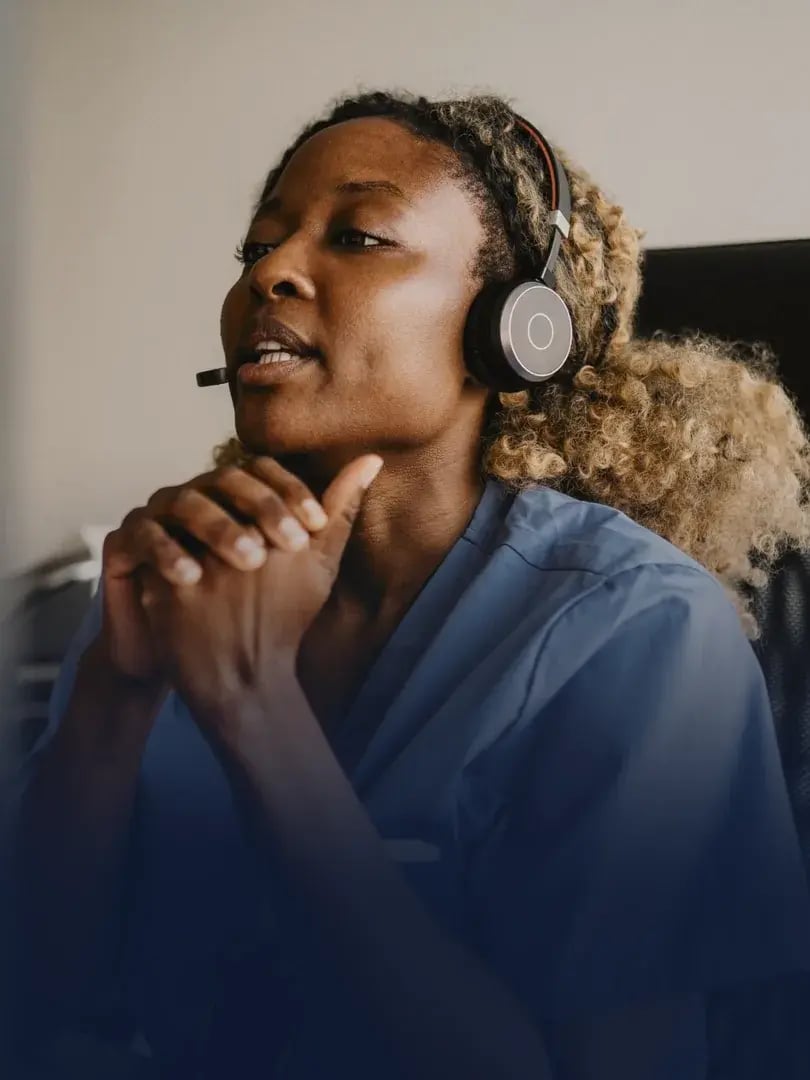
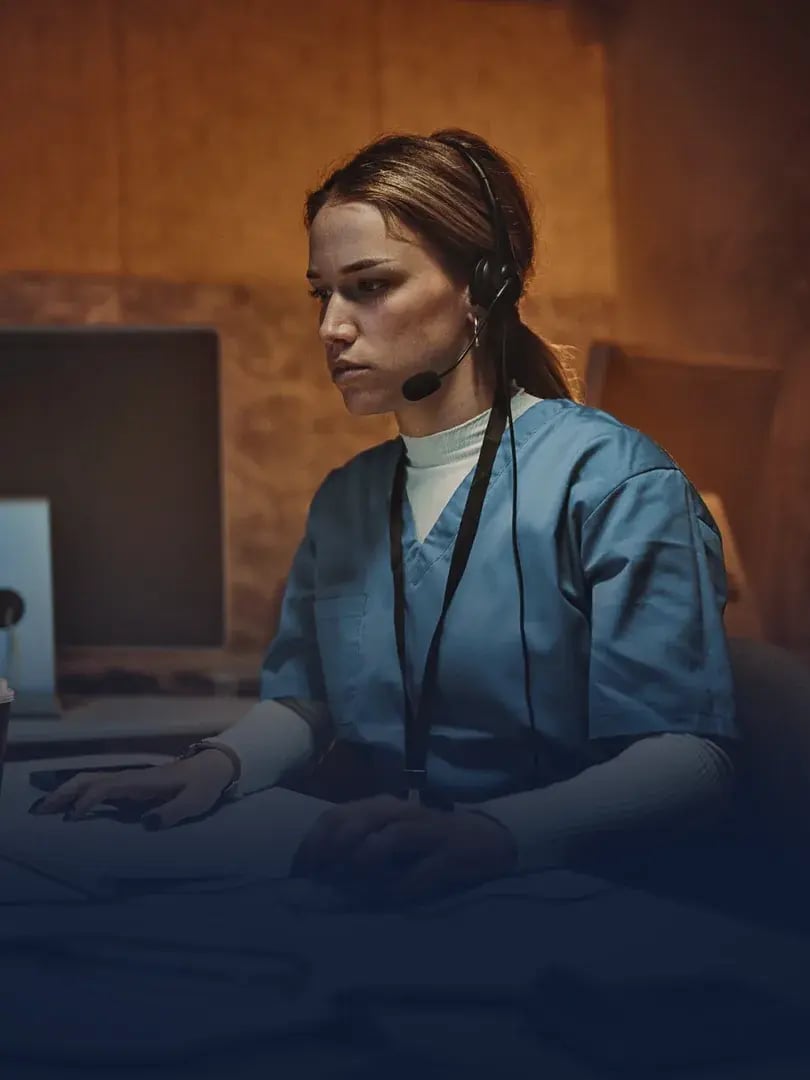
Luckily, after-hours triage can help fill care gaps by routing patient calls to an after-hours triage nurse. This way, they act as a care team extension during non-business hours, reducing the number of calls on-the-job nurses receive, including non-emergent tasks like symptom management, refilling medication, and offering clinical support.
For more complex calls, triage nurses can locate and send an on-call visit nurse to the patient for a thorough assessment. This way, nurses focus on providing quality care for patients and families during home visits and free time when needed. After-hours triage easily addresses nurse burnout and improves the patient experience, becoming a dependable, cost-effective solution to a nationwide problem.
Who Takes Care of After-Hours Triage Workloads?
Local Staff, whether clinical or non-clinical, are on-call professionals who are personally familiar with their patients, having regular and direct interactions with them during standard care hours. These close relationships enable local staff to understand a patient’s unique medical history, preferences and needs so they can can respond quickly and comprehensively, leveraging their in-depth knowledge to provide timely and effective assistance—minimizing delays and enhancing overall patient satisfaction.
Centralized Staff typically involves a blend of clinical and non-clinical personnel operating from a centralized physical or remote call center. They field after-hours calls from across an organization’s various office locations, and may also be specialized based on medical needs, allowing them to address specific needs effectively. Local staff is freed from the overwhelming amount patient calls and creates streamlined communication among nurses, ensuring dedicated personnel trained in triage protocols manage urgent and non-urgent patient calls. The trade-off for this efficiency is a potential reduction in personalization.
Triage Service staffing handles after-hours triage work through a coordinated approach involving an outside partner equipped with clinical and non-clinical personnel. The best triage partners can seamlessly integrate with EMRs and other provider systems, allowing smooth and efficient coordination. They also adhere to provider-prescribed protocols tailored for various scenarios, ensuring consistency and accuracy in their care responses. If a patient interaction falls outside established parameters, they are promptly escalated to the provider’s on-call staff.
While this service model is highly responsive and leverages technology for efficiency, it can sometimes lack the personal touch and flexibility that in-house, local staff might offer. Regardless of these minor limitations, triage service remains vital in managing after-hours care, streamlining processes, and alleviating excess work on healthcare providers.
Three Types of After-Hours Workloads
Understanding the different types of after-hours workloads is crucial for organizations aiming to provide high-quality, timely, and efficient patient care while maintaining staff well-being and operational efficiency. It also helps with planning, resource allocation, training, and overall management of healthcare services during after-hours periods.
1. Triage Workloads determine the underlying urgency and criticality of the patient’s situation. As part of this, efficient triage software streamlines automated data collection and provides decision-support tools that produce accurate and timely assessments (AHRQ).
2. Escalation Workloads are based on patient criticality and situational urgency. They address questions such as:
-
Where should the situation escalate?
-
Can clinicians handle the situation over the phone?
-
Does the situation need assistance from visiting staff?
-
Should the situation be handled immediately or the next day?
-
Are there any other resources needed for the situation?
3. Coordination Workloads address what tasks need to be completed to resolve the situation. While this can include symptom management, it also involves calling providers and durable medical equipment management (DME) vendors and pushing medication orders.
How Technology Redistributes After-Hours Workloads for Efficient Outcomes
With the right technology and services, providers can leverage the strengths of local, centralized, and triage staff to effectively manage after-hours triage, escalation, and care coordination workloads. A common challenge for providers arises when a seemingly simple three-minute inbound call escalates into a complex fifteen-minute outbound call involving coordination with Durable Medical Equipment (DME) suppliers, family members, pharmacies, and other stakeholders.
Efficient triage software can automatically sort and delegate care coordination tasks to specialized teams dedicated to DME, pharmacy interactions, family communications, and more. This allows each aspect of the patient’s needs to be addressed quickly, reducing the burden on nurses and preventing bottlenecks.
Employing streamlined technology can transform after-hours workload operations for any healthcare provider. Centralized systems equipped with intelligent protocols can dynamically manage and distribute workloads, ensuring that local and triage staff are not overwhelmed. This not only enhances efficiency but also improves the quality of care provided, as tasks are handled by experts in each specific area. Integrating technology to redistribute after-hours workloads ultimately leads to streamlined processes, better coordination, and more efficient outcomes, benefiting healthcare providers and patients.
Exploring Solutions to Help Manage After-Hours Triage Workloads?
Searching for solutions to support after-hours triage workloads can be intimidating but essential for optimizing patient care and operational efficiency. At CareXM, we aim to elevate the experience for your patients, caregivers, and your entire healthcare team. Together, we’ll map out a comprehensive plan that tackles your most urgent triage challenges, identify staffing and workload inefficiencies, and develop a clinically based triage solution unique to your needs. Our skilled team will even forecast hard cost savings through our thorough financial impact analysis before you commit. Whether you need support with after-hours workloads or cost-saving hybrid solutions, CareXM will transform your patient care approach. Let’s elevate the care experience together.
In this article